Basketball
- Facility and Equipment:
- Facility:
- Basketball court: 28m long and 15m wide.
- Backboard and hoop: Hoop 3.05m above the ground.
- Three-point line. Free-throw line.
- Facility:
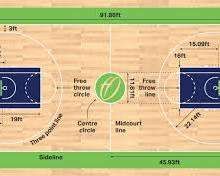
Basketball court with markings
- Equipment:
- Basketball: Size 7 for men, size 6 for women.
- Basketball hoop and net.
- Backboard.
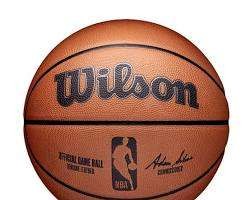
Basketball
- Set Shot:
- Stance:
- Feet shoulder-width apart, knees slightly bent.
- Ball held in shooting hand, supported by the other.
- Stance:
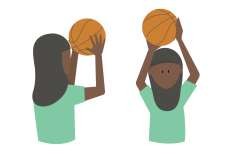
player in a set shot stance
- Grip:
- Fingertips on the ball, not the palm.
- Shooting hand behind the ball.
- Release:
- Extend legs and arms, flick the wrist.
- Backspin on the ball.
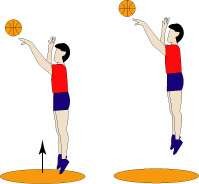
player releasing a set shot
- Follow Through:
Arm fully extended, wrist flexed. Maintain balance.
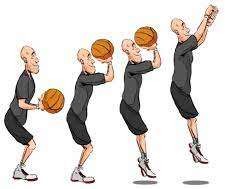
Player with follow through on a set shot
- Layup Shot:
- Approach:
Dribble towards the basket.
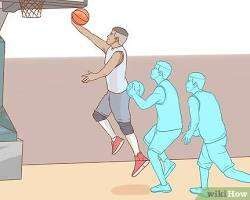
Player doing a layup approach
- Stepping:
- Take off with the opposite foot of the shooting hand.
- Knee raised for momentum.
- Release:
Release the ball softly off the backboard.
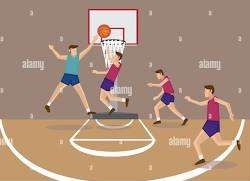
Player releasing a layup shot
- Follow Through:
Continue the upward motion. Land softly.
- Jump Shot:
- Stance:
- Feet shoulder-width apart, knees bent.
- Ball held in shooting position.
- Stance:
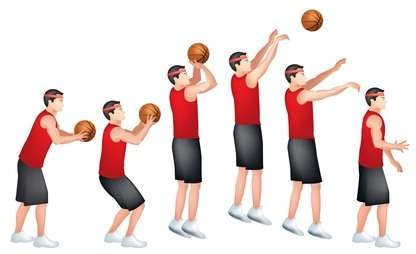
Player in a jump shot stance
- Grip:
Same grip as the set shot.
- Release:
Jump and release the ball at the peak of the jump. Extend arms and flick the wrist.
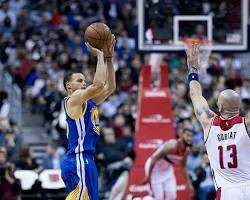
Player releasing a jump shot
- Follow Through:
- Same follow through as the set shot. Land softly.
Practical Activities:
- Search and observe videos/pictures/charts or watch live Basketball games to identify and familiarize with facilities and equipment.
- Demonstrate the stance, grip, release, and follow through in set shot.
- Demonstrate approach, stepping, release, and follow through in layup shot.
- Demonstrate stance, grip, release, and follow through in jump shot.
- Practice the skills of shooting using set shot, layup shot, and jump shot in Basketball with peers.
- Use the skills of shooting in mini Basketball games, while observing safety.
- Observe own and others’ performance in executing the skills of Basketball and give feedback.
Suggested Key Inquiry Questions:
1. How can a player improve their shooting efficiency?
- Consistent practice with proper form.
- Developing muscle memory.
- Practicing shooting from various distances and angles.
- Improving balance and coordination. Practicing under game like pressure.
2. How can shot selection affect performance in Basketball?
- Taking high-percentage shots (e.g., layups, open jump shots).
- Knowing one’s shooting range and abilities.
- Considering the game situation and time remaining.
- Taking shots that are within the teams offensive strategy. Avoidance of low percentage shots.
Safety Considerations:
- Warm-up and cool-down exercises.
- Proper footwear and clothing.
- Awareness of surroundings to avoid collisions.
- Adherence to rules and regulations.
- Proper hydration.
- Landing softly after jump shots.
Sub-Strand 1.6: Rugby
1. Facilities and Equipment:
- Facilities:
- Rugby pitch: Rectangular, 100m long (between goal lines) and 70m wide.
- Goalposts: H-shaped, 5.6m wide.
- Playing zones: In-goal area, try line, 10-meter line, 22-meter line, halfway line.
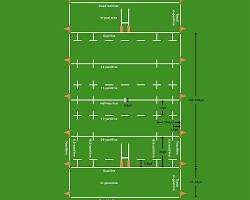
Rugby pitch with markings and zones
- Equipment:
- Rugby ball: Oval-shaped.
- Goalposts and pads.
- Optional: Mouthguards, scrum caps, shoulder pads.
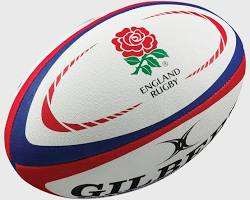
Rugby ball 2. Dodging and Marking:
- Dodging:
- Balance: Maintain low center of gravity.
- Speed variation: Use changes in pace to deceive opponents.
- Change of direction: Quick, sharp turns to evade tackles.
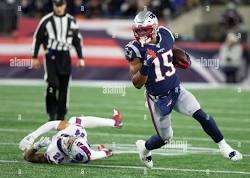
player dodging a tackle
- Marking:
- Positioning: Stay between the opponent and the try line.
- Anticipation: Predict the opponent’s movements.
- Tackling: Safe and controlled tackles to stop the opponent.
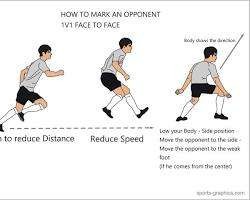
player marking an opponent
3. Grubber Kick:
Body position:
- Feet shoulder-width apart, facing the target.
- Slightly bent knees.
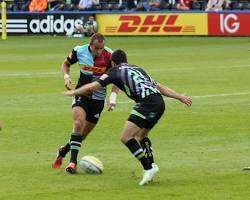
player in a grubber kick stance
- Release:
Hold the ball low, close to the ground.
- Contact:
Kick the lower part of the ball with the instep. Ball rolls along the ground.
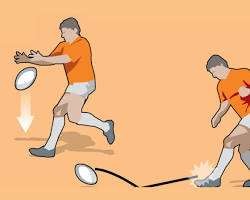
Player making contact with the ball during a grubber kick
- Follow through:
- Continue the kicking motion towards the target.
- Maintain balance.

Player with the follow through of a grubber kick
Practical Activities:
- Watch video clips/pictures/charts of a Rugby pitch and identify equipment used in playing Rugby.
- Demonstrate the skill of dodging and marking in Rugby with peers while observing safety.
- Practice the skill of dodging and marking in Rugby with peers while observing safety.
- Demonstrate the grubber kick with peers.
- Practice the grubber kick focusing on body position, release, contact, and follow through with peers.
- Collaboratively, play mini Rugby games applying the skills of dodging, marking, and grubber kick while observing safety rules.
- Observe each other’s performance and give feedback.
Suggested Key Inquiry Questions:
- How has the Rugby game improved Kenya’s visibility on the globe?
- Kenya’s national Rugby sevens team has achieved international success, raising the country’s profile in the sporting world.
- Hosting international Rugby events has attracted global attention. Rugby has created positive cultural exchange.
- How can values learnt in school be enhanced by the game of Rugby?
- Teamwork: Rugby emphasizes cooperation and collective effort.
- Discipline: Adhering to rules and respecting authority.
- Respect: Showing respect for opponents, officials, and teammates.
- Resilience: Overcoming challenges and setbacks. Integrity: playing fairly, and honestly.
Safety Considerations:
- Proper warm-up and cool-down exercises.
- Use of appropriate protective gear (mouthguards, etc.).
- Safe tackling techniques.
- Adherence to rules and regulations.
- Proper hydration.
- Playing on a safe well maintained field.
Download complete notes Grade 10 Notes Senior School 2026