Fundamentals of Power Mechanics
1.1 Overview of Power Mechanics as a Learning Area
- Describing Power Mechanics as a Learning Area
Power mechanics is a broad field that deals with the study, maintenance, and repair of machines and engines that produce power. It encompasses a wide range of systems, including:
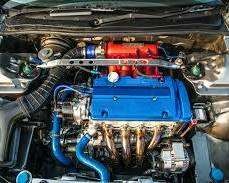
- Internal Combustion Engines: Found in cars, trucks, motorcycles, generators, and other equipment.
- Power Transmission Systems: Gears, belts, chains, and other components that transfer power from the engine to the wheels or other working parts.
- Hydraulic and Pneumatic Systems: Use fluids or air under pressure to perform work, seen in construction equipment and industrial machinery.
- Electrical Systems: Wiring, batteries, and electronic controls that power and regulate machines.
- Agricultural Machinery: Tractors, harvesters, and other equipment used in farming.
- Marine Engines: Powering boats and ships.
Image: An image of a car engine bay, showing various components.
- Identifying Career Opportunities in Power Mechanics Field
Power mechanics offers a diverse range of career paths, including:
- Automotive Technician: Diagnosing and repairing vehicles.
- Diesel Mechanic: Specializing in diesel engines used in trucks, buses, and heavy equipment.
- Agricultural Equipment Mechanic: Maintaining and repairing farm machinery.
- Marine Mechanic: Working on boat and ship engines.
- Heavy Equipment Mechanic: Repairing construction and industrial machinery.
- Power Generation Technician: Maintaining and repairing generators and power plants.
- Small Engine Mechanic: Fixing lawnmowers, chainsaws, and other small engines.
- Parts Specialist: Supplying necessary parts for repairs.
- Service Manager: Overseeing repair operations.
- Sales of power equipment.
- Instruction in Technical institutions.

Collage of different power mechanics professionals at work.
- Evaluating Activities Related to Power Mechanics in the Locality
To evaluate local power mechanics activities, learners can:
- Visit local garages and workshops: Observe the types of repairs being performed and the equipment used.
- Explore agricultural areas: Identify the types of machinery used and how they are maintained.
- Investigate local industries: Determine the power-driven equipment used in manufacturing and production.
- Interview local mechanics: Gather insights into their work, challenges, and opportunities.
- Identify local businesses that sell or repair power equipment.
- Observe the use of generators and other power equipment in local businesses and homes.
- Acknowledging the Importance of Power Mechanics as a Learning Area
Power mechanics is crucial for:
- Transportation: Maintaining vehicles that move people and goods.
- Agriculture: Ensuring the efficient operation of farm machinery for food production.
- Industry: Powering the machines that drive manufacturing and construction.
- Power Generation: Maintaining generators for electricity supply.
- Economic Development: Creating jobs and supporting businesses.
- Improving Quality of Life: Powering machines that make daily tasks easier.
- Emergency services: Ensuring that ambulances, fire engines, and other emergency vehicles are in working order.
How is power mechanics important in day to day life?
- Power mechanics is essential in our daily lives because it ensures the functionality of various machines that we rely on.
- From cars and motorcycles that transport us to work and school, to generators that provide electricity during power outages, and agricultural equipment that produces our food, power mechanics plays a crucial role in keeping our world running smoothly.
- It is also important in the maintenance of water pumps, and other essential equipment.
Learner Activities:
- Online/Print Resources: Use the internet and textbooks to research the definition and scope of power mechanics.
- Brainstorming: Discuss career opportunities in power mechanics with classmates.
- Local Exploration: Visit local workshops and industries to observe power mechanics activities.
- Resource Person: Invite a local mechanic or power mechanics professional to speak to the class.
1.2. Evolution of an Automobile
Suggested Learning Experiences:
- Brainstorming: Begin with a class discussion about what learners already know about the history of cars.
- Digital/Print Resources: Use the internet, books, and documentaries to research the key milestones in automobile development.
- Trend Analysis: Identify and discuss the major trends that have shaped automobile design and technology (e.g., steam power, internal combustion, electric vehicles, autonomous driving).
- Innovation Discussion: Analyze how specific innovations (e.g., the assembly line, anti-lock brakes, hybrid engines) have impacted the automotive industry.
- Reflection: Conduct a reflective exercise on how the evolution of the automobile has affected society and daily life.
- Evolution of the Automobile Globally:
- Early Beginnings:
- The concept of self-propelled vehicles dates back to the 17th and 18th centuries with steam-powered carriages.
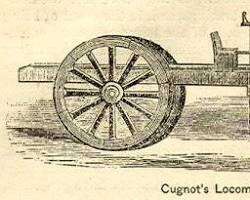
- Nicolas-Joseph Cugnot’s steam-powered tricycle (1769) is often considered the first automobile.
- Image: an image of Nicolas-Joseph Cugnot’s steam-powered tricycle.
- Early Beginnings:
- The Internal Combustion Engine:
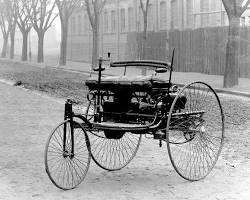
- Karl Benz and Gottlieb Daimler are credited with independently developing the first gasoline-powered automobiles in the late 19th century.
- Image: An image of Karl Benz’s Patent-Motorwagen.
- Mass Production:
- Henry Ford’s introduction of the assembly line in the early 20th century revolutionized automobile production, making cars more affordable. Image: An image of Henry Ford’s assembly line.

- Mid-20th Century Developments:
- Post-World War II saw advancements in design, performance, and safety. The rise of the automotive industry in countries like Japan and Germany.
- Modern Era:
- The late 20th and 21st centuries have witnessed the rise of electronic controls, hybrid and electric vehicles, and autonomous driving technology.
- Trends in Historical Developments:
- Power Source: Steam, gasoline, diesel, electric, and hybrid.
- Design and Aerodynamics: From boxy shapes to streamlined designs.
- Safety Features: Brakes, seat belts, airbags, and electronic stability control.
- Comfort and Convenience: Air conditioning, power steering, and entertainment systems.
- Technology: Engine management systems, GPS navigation, and advanced driver-assistance systems (ADAS).
- Environmental Concerns: Increased focus on fuel efficiency and emissions reduction.
- Importance of Innovation:
- Innovation has driven improvements in performance, safety, and efficiency.
- It has led to the development of new technologies that have transformed the automotive industry.
- Innovation is crucial for addressing future challenges, such as climate change and traffic congestion.
- Innovation has also increased the comfort and reliability of automobiles.
- Appreciation of the Evolution:
- The evolution of the automobile has had a profound impact on society, transforming transportation, commerce, and lifestyle.
- It has created countless jobs and industries.
- Understanding the history of the automobile helps us appreciate its significance and the challenges and opportunities that lie ahead.
Suggested Key Inquiry Questions:
- How has technology advancement affected power mechanics?
- This question encourages learners to think about how changes in automobile technology (e.g., electronic controls, electric vehicles) have altered the work of mechanics.
- What were the key factors that led to the mass production of automobiles?
- This question encourages the research of the socio-economic factors that allowed automobiles to become available to the masses.
- How have safety regulations and environmental concerns influenced automobile design?
- This encourages research into the regulations that influence modern vehicle design.
- What are the potential future trends in automobile development?
- This encourages thought about the future of the automotive industry.
- How did world events influence the development of automobiles?
- This question encourages the thought of how events such as world wars influenced the development of cars. 1.3. Power Mechanics Workshop Layout
Suggested Learning Experiences:
- Online/Print Resources: Research the various areas of a power mechanics workshop using the internet, textbooks, and technical manuals.
- Brainstorming: Discuss the different sections of a workshop and their functions.
- Workshop Observation: If possible, visit a local power mechanics workshop to observe the layout and organization.
- Illustration/Sketching: Create diagrams and sketches of a standard power mechanics workshop layout.
- Importance Discussion: Discuss the importance of each workshop area and how they contribute to efficient work.
- Reflection: Reflect on the importance of an organized workshop layout for safety and productivity.
a) Identifying Main Areas in a Power Mechanics Workshop:
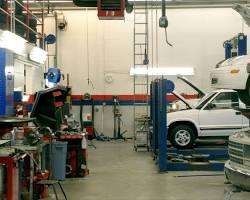
- Work Area/Repair Bays: Where vehicles and machinery are repaired. Image: An image of a car inside of a repair bay.
- Tool Storage Area: For organized storage of tools and equipment. Image: An image of a well organized tool storage area.
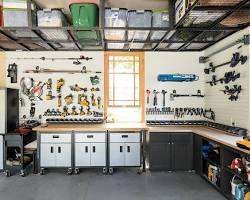
- Parts Storage Area: For storing spare parts and components.
Image: An image of a parts storage area with shelves full of parts.
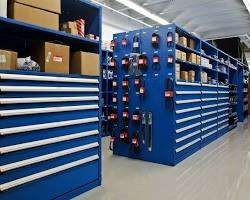
parts storage area with shelves full of parts.
- Work Benches: For performing various tasks and repairs. Image: An image of a work bench with tools ontop.

- Office/Reception Area: For administrative tasks, customer interaction, and record-keeping.
Image: An image of an office located inside of a workshop.

- Passageways/Traffic Flow: Clear pathways for safe movement of people and equipment.
- Welding Area (if applicable): A designated area for welding and fabrication.
- Machining Area (if applicable): Area for using lathes, milling machines, and other machine tools.
- Cleaning Area: For cleaning parts and equipment.
- Waste Disposal Area: For safe disposal of waste materials.
- Engine Overhaul Area: A designated area for engine repairs.
- Testing Area: Area for testing repaired vehicles and components.
Download complete notes Grade 10 Notes Senior School 2026