- PERFORMING
- Kenyan Folk Songs
This sub-strand focuses on the performance and appreciation of Kenyan folk songs.
Key Concepts:
- Characteristics of Kenyan Folk Songs:
- Traditional melodies and rhythms.
- Storytelling and cultural significance.
- Use of indigenous languages.
- Often associated with specific occasions or communities.
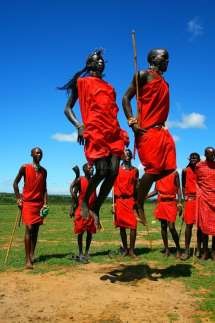
People singing and dancing to a folk song in traditional attire
- Folksongs:
- Solo performances.
- Group performances.
- Choice:
- Gender-specific songs.
- Age-specific songs.
- Occasion-specific songs.
- Use of appropriate costumes, props, and artifacts.
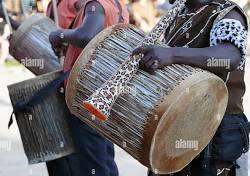
Traditional Kenyan costumes and musical instruments
- Performance Aspects:
- Singing (tone and diction).
- Idiom (cultural context).
- Synchrony (togetherness).
- Transitions (smooth changes).
- Instrumentation (use of instruments).
- Projection and diction (clarity).
- Expressiveness (emotion).
- Etiquette (performance behavior).
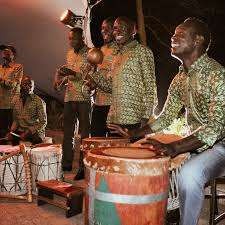
People performing a folk song with instruments
Suggested Learning Experiences:
- Listen to or watch performances of Kenyan folk songs and discuss the characteristics:

People watching a folk song performance
- Source from virtual or physical spaces to select Kenyan folk songs:
- Source for and select instruments, costumes, props, and artifacts, make-up and décor:
- Take up different roles in the performance (soloist, instrumentalists, group singers):
- Carry out rehearsals observing rehearsal etiquette and safety procedures:
- Perform a Kenyan group folk song before an audience, applying the appropriate performance aspects:
- Record and share the performances with peers for feedback: Practical Application:
- Listening to and analyzing recorded folk songs.
- Researching and selecting folk songs from different Kenyan communities.
- Practicing and performing folk songs in solo and group settings.
- Using appropriate costumes, props, and instruments. Recording and sharing performances for feedback.
2.2 Western Style Solo Songs
This sub-strand focuses on the performance of Western-style solo vocal music.
Key Concepts: Performance Style:
Understanding the specific style of different genres (lieder, arias, musical theatre songs).

Singer performing an aria from an opera
- Accuracy:
- Pitch accuracy (singing the correct notes).
- Rhythmic accuracy (singing the correct rhythms).
- Performance Directions:
- Tempo (speed of the music).
- Dynamics (volume of the music).
- Repeats and reiterations (following musical instructions).
Performance Techniques:
- Phrasing (shaping musical lines).
- Posture (body position).
- Diction (clarity of words).
- Poise (stage presence).
- Musicianship (musical understanding).
Suggested Learning Experiences:
- Listen to or watch live or recorded performances of lieder, arias from operas and oratorios, and solo songs from musicals for familiarization:
- Discuss the performance practice of Western solo songs such as lieder, arias, folk songs:
- Review videos of Western solo songs to identify their styles of singing:
- Execute various vocal styles applied in singing Western solo songs:
- Select acknowledging the source suitable Western solo songs for performance:
- Perform selected Western solo songs before a given audience, while observing the performance techniques:

Person performing a solo song on stage
- Use digital devices to record their performances of Western solo songs and upload them to their digital portfolios:
Digital audio recorder
- Evaluate performances by self and others and respectfully give feedback:
Suggested Key Inquiry Questions:
- 1. How should one prepare to perform a Western solo song?
- 2. Why are vocal techniques important in Western solo songs?
Practical Application:
- Listening to and analyzing recordings of Western solo songs.
- Practicing vocal techniques such as phrasing, diction, and posture.
- Learning and performing songs in different Western solo styles.
- Recording and evaluating performances.
- Giving and receiving constructive feedback.

Someone practicing vocal exercises
2.3 Kenyan Indigenous Musical Instrument (Solo Performance)
This sub-strand focuses on the solo performance of Kenyan indigenous musical instruments.
Key Concepts:
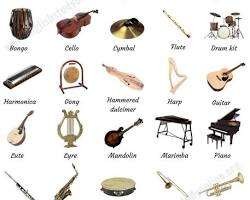
- Indigenous Musical Instruments:
- Fiddle (Orutu).
- Lyre (Nyatiti).
- Harp (Obokano).
- Flute (Engorare).
- Drum or drum set (Engalabi, Isukuti).
Suggested Learning Experiences:
- Listen or watch performances involving Kenyan indigenous musical instruments to determine how sound is produced:
- Familiarise with a selected Kenyan indigenous musical instrument to identify its parts and handling:
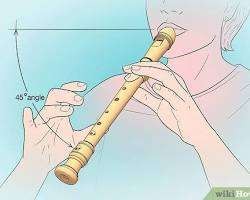
Someone holding a specific instrument and pointing out its parts
- Search responsibly for videos and watch or interact with resource persons to learn the techniques of tuning, playing, and maintaining the instrument:

Person watching an instructional video on how to play an instrument
- Practice the techniques of tuning of the instrument:
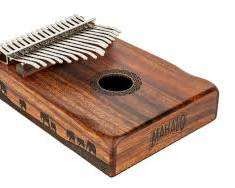
Someone tuning an indigenous musical instrument
- Rehearse playing a selected Kenyan indigenous musical instrument to master the playing techniques:
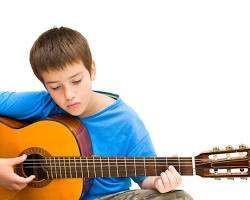
Someone practicing playing an instrument
- Play tunes or rhythmic patterns from the cultural idiom of the chosen instrument using the appropriate playing techniques before an audience:
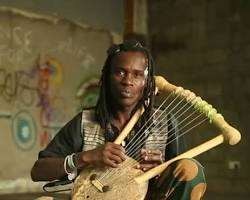
Someone playing a solo performance of an indigenous instrument
- Record and share music with parents, guardians, and fellow learners for feedback and upload to a digital portfolio:
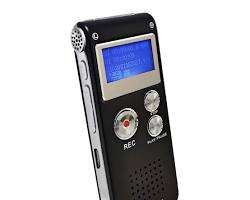
Recording device
Download complete notes Grade 10 Notes Senior School 2026